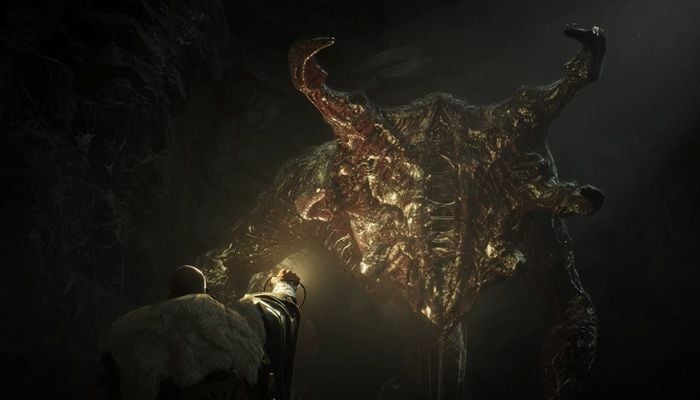
Now that 2026 is properly underway, it’s becoming increasingly clear that—barring any major delays—this year could mark a turning point for the MMO genre. Several long-running projects appear to be converging toward defining milestones, whether that means full launches, expanded early access phases, or long-awaited public testing. Below are five titles worth keeping firmly on your radar. These aren’t just included for visual spectacle, but because each is approaching a critical moment in its development cycle.
- Chrono Odyssey
Chrono Odyssey has spent years feeling almost within reach, yet still slightly out of grasp. Even so, the horizon is finally tightening, with expectations pointing toward a late-2026 window following multiple test phases that preceded the intended Q4 release target.
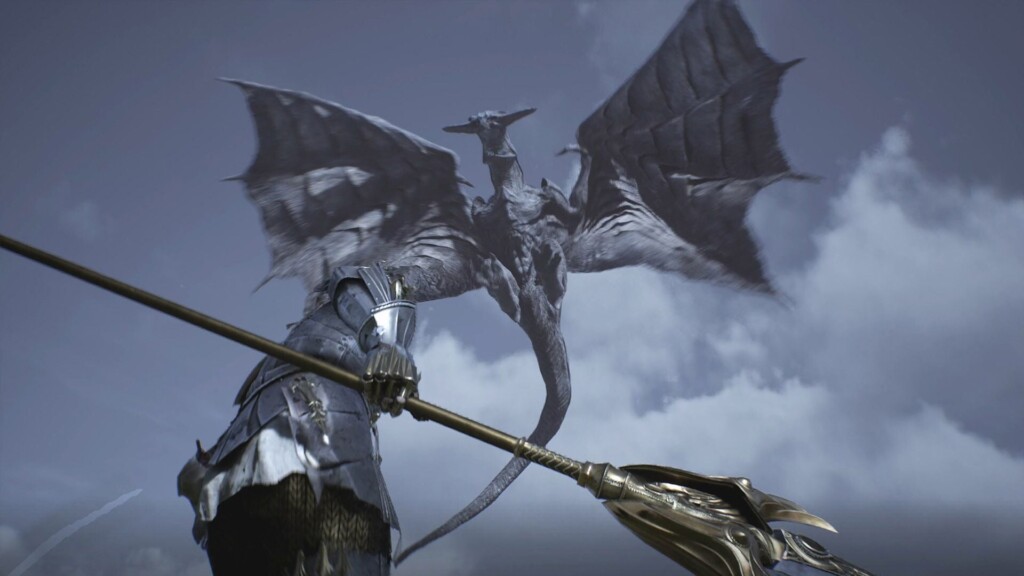
At its core, the game leans heavily into its “chrono” identity—an action-driven MMO built around time manipulation as a tactical tool. Players are meant to bend encounters through temporal abilities, rewinding positioning, interrupting enemy momentum, and reshaping the flow of combat itself. It’s an ambitious hook, and one that is notoriously difficult to execute cleanly at scale, which is exactly what makes it so intriguing.
That ambition also comes with uncertainty. The project has already undergone significant adjustments following earlier testing feedback, and while the extended development runway could allow those changes to mature, it also leaves open the possibility of further delay. Even so, 2026 now feels less like speculation and more like a proving ground—either through launch or a broader wave of testing that finally pushes it into public reality.
- Camelot Unchained
Camelot Unchained exists in a space few MMOs ever reach: long-term anticipation so stretched that it has almost become part of its identity. More than a decade after its Kickstarter origins as a spiritual successor to Dark Age of Camelot, the project remains defined by its tri-realm RvR ambitions, large-scale warfare, and player-driven fortification systems.
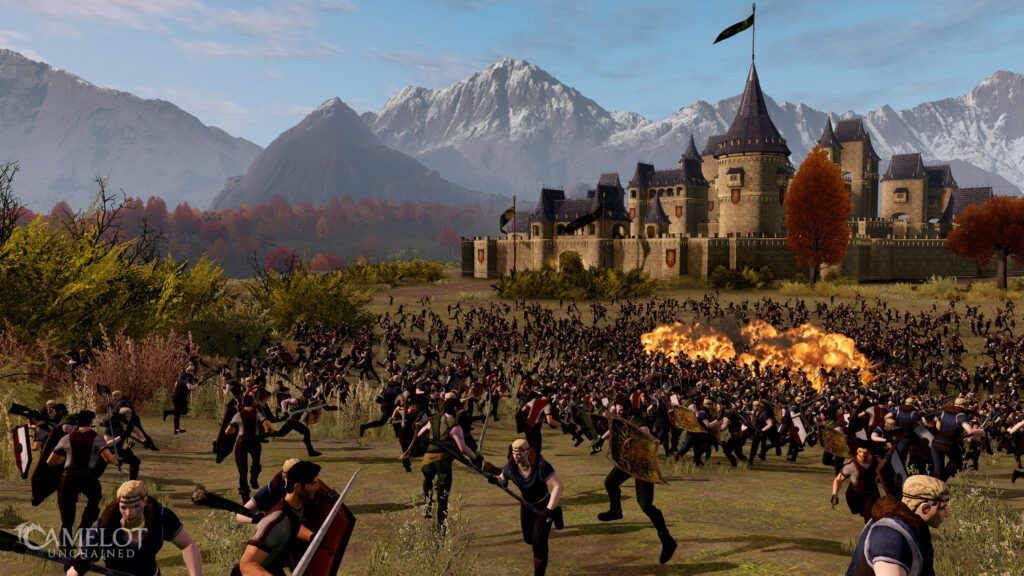
Development has been turbulent. Communication has fluctuated, updates have been uneven, and confidence has periodically wavered within parts of the community. Yet despite that, the core vision—massive battles anchored in territory control—continues to hold attention.
The most realistic expectation for 2026 is not a clean launch, but rather some form of expanded testing focused on large-scale combat validation. In a less optimistic scenario, it could remain in familiar limbo, sustained by periodic updates and shifting timelines. Either way, it remains one of the most closely watched “will it finally happen?” projects in the MMO space, edging ever closer to resolution—or another extension of the mystery.
- ArcheAge Chronicles
ArcheAge Chronicles—formerly known in conversation as ArcheAge 2—has undergone a lengthy period of redefinition, rebranding, and recalibration as it attempts to evolve the legacy of its predecessor while addressing its long-standing structural issues.
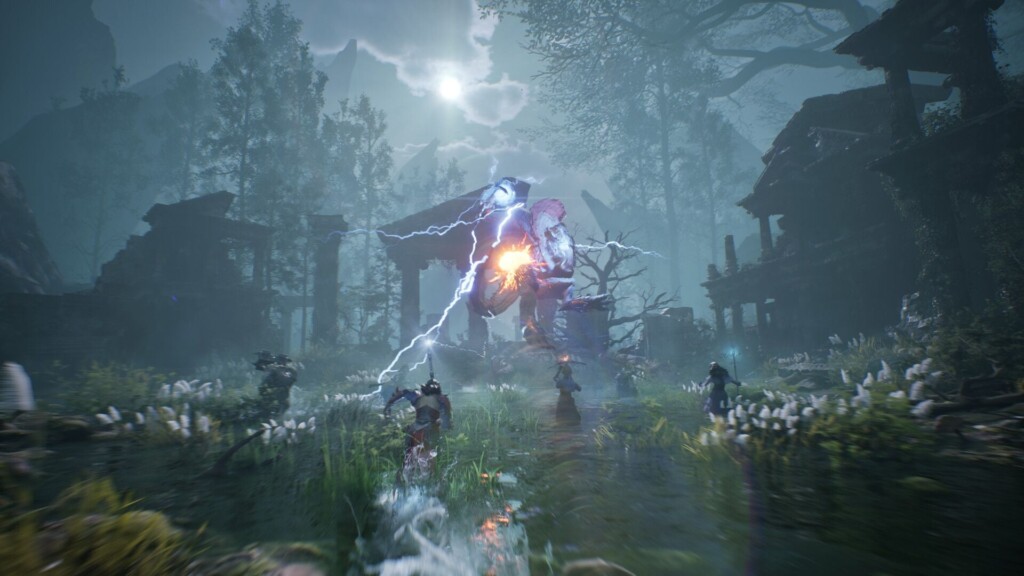
Positioned as a modern continuation set decades after the original, the project aims to preserve the sandbox spirit that defined the first game while expanding its scope with large-scale raids, world encounters, and new gameplay systems designed for a more contemporary audience. Publisher Kakao has been closely tied to its direction, with 2025 serving as a period of strategic restructuring and alignment ahead of what is increasingly expected to be a 2026-focused rollout window.
What may matter most this year is not the launch itself, but the shape of its testing phase. A healthy MMO rollout typically depends on sustained public stress-testing—economies, server stability, and large-scale systems all need real player pressure. Whether the team embraces that model or continues to reposition the game toward a more hybrid identity will likely define how its future is perceived.
- Stars Reach
Stars Reach stands out for its ambition more than its branding. It is not trying to replicate traditional MMO structure so much as redefine what a persistent online world can respond like in real time. Built as a science-fantasy sandbox, its environments are designed to behave dynamically, reacting to player activity and systemic conditions rather than serving as static backdrops.
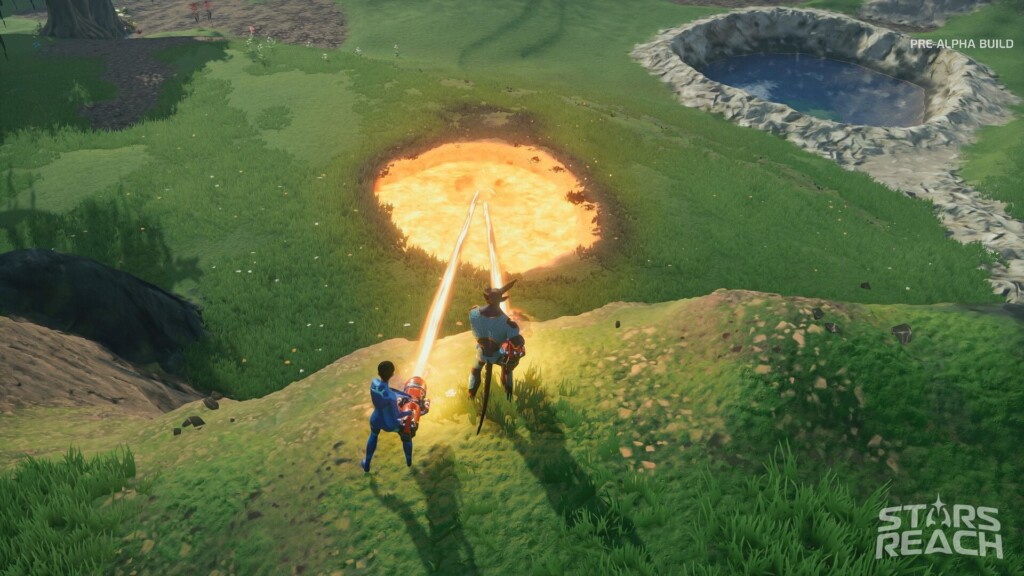
While a conventional launch in 2026 seems unlikely, that has never quite been the point. Instead, the meaningful milestone is whether the project transitions into a broader Early Access state or significantly expands its testing population. The steady cadence of updates and experimental features suggests a project steadily accumulating shape rather than waiting for a single reveal moment.
Transparency has been one of its defining traits, with early and frequent player access even during rough developmental phases. That openness has allowed it to evolve rapidly over time, and if momentum continues, 2026 may be the year it steps out of controlled testing and into something far more publicly accessible.
- Soulframe
Soulframe occupies a slightly different space from the others. It isn’t always framed strictly as a traditional MMORPG, but in practice it exists firmly within the evolving spectrum of shared-world online experiences. Developed by Digital Extremes, it draws from the studio’s long experience with Warframe, while shifting toward a slower, more grounded fantasy tone.
Combat is designed to feel weighty and expressive, with a cinematic sensibility that prioritizes atmosphere and physicality. Rather than pure speed or spectacle, it leans into deliberate encounters and environmental immersion, aiming for a different emotional rhythm than its sci-fi predecessor.
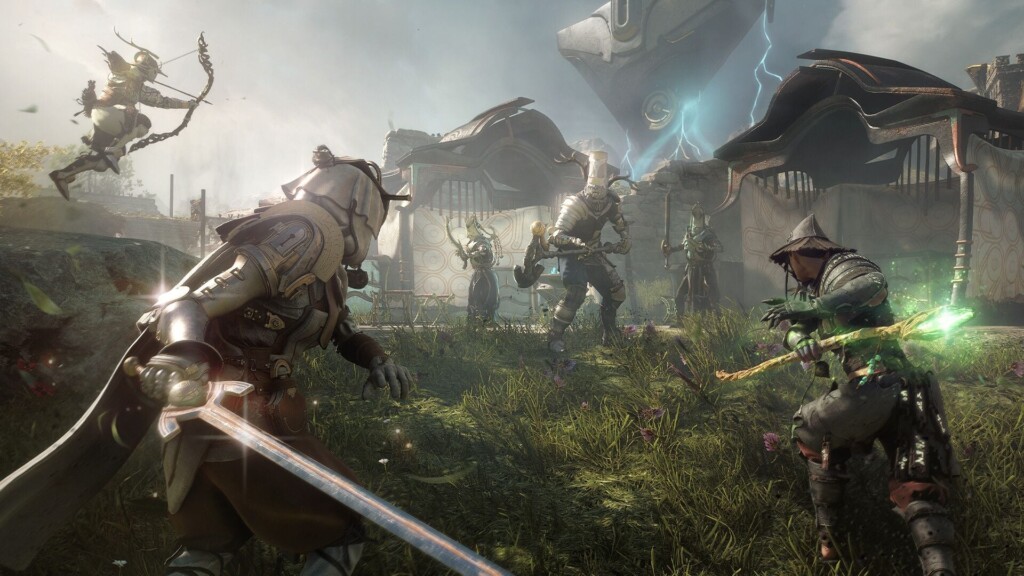
Its presence on this list comes not only from its design direction, but from how openly it has been iterated on in public. Pre-alpha access has already been widely distributed through founder programs and testing waves, and the development team has shown a willingness to keep expanding that access rather than tightly restricting it. With steady “prelude” updates continuing through 2025, the trajectory suggests a project gradually shedding its early label and moving toward a more defined release shape in 2026.
Taken together, these five projects reflect a genre in motion—some nearing resolution, others still stretching toward form. Whether they arrive polished, delayed, or transformed, 2026 is shaping up to be a year where long-term MMO ambitions are finally forced into the light.