Calling my time with Midnight over the past month “enjoyable” would barely scratch the surface. Honestly, tearing myself away from the game long enough to write this feels like its own kind of raid boss. But with all raids now released and the launch campaign finally concluded, it’s time to take a step back and assess the bigger picture. I’ve already published a Review In Progress, and my latest Arlee in Azeroth column dives into other key parts of my journey through Midnight, so I won’t be revisiting those points here—worth checking if you missed them.
And yes, spoilers follow. There’s really no way around it.
Story
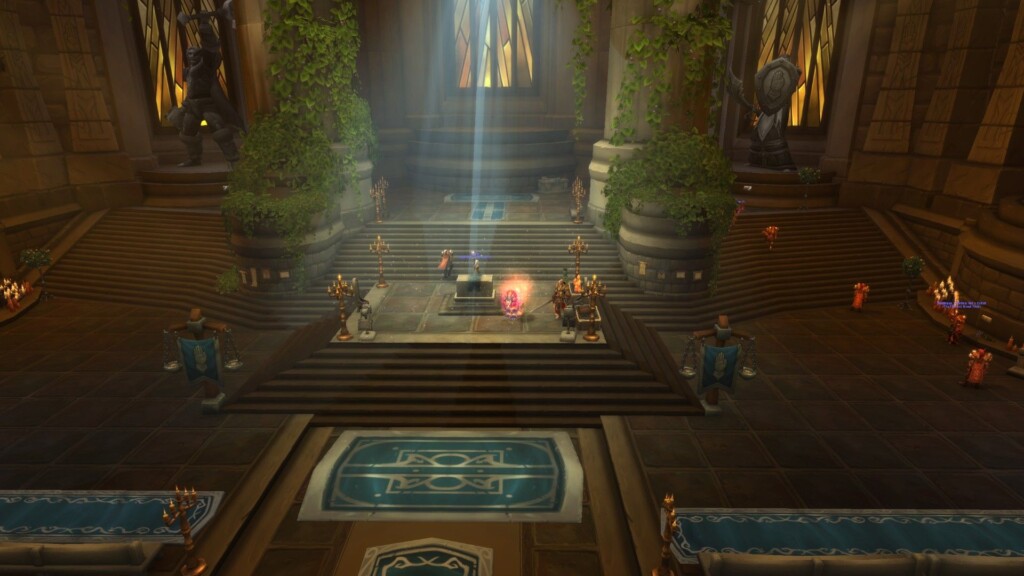
I’ve always enjoyed the main expansion campaigns, but Midnight pushes that experience into a different league entirely. I initially worried that allowing players to tackle Arator’s Journey, Harandar, and Zul’Aman in any order would fracture the narrative flow. Instead, the structure feels surprisingly organic. Choosing to move through Harandar before returning to Zul’Aman, for instance, creates the impression of a tense standoff stretched over days or even weeks—quiet on the surface, but with the sense that everything could erupt at any moment. Even swapping the order would still make narrative sense. Blizzard manages a delicate balance here, giving freedom without sacrificing urgency or cohesion.
The cinematic presentation is another standout. In-game cutscenes have always been a highlight, but Midnight goes further, delivering them at an almost relentless pace. According to the Warcraft Wiki, the leveling campaign alone features 35 cinematics—likely the highest we’ve seen so far. At no point did it feel like I was watching a film instead of playing a game; each scene lands with intent and purpose. The moments following each Loa’s approval, in particular, were exceptional. Also, druids absolutely deserve Halazzi and Nalorakk forms.
Side stories are another area where World of Warcraft continues to evolve. Optional questlines now serve as rich narrative pockets rather than filler content, and Midnight makes excellent use of that space. Harandar and Zul’Aman stand out as the strongest examples. Every storyline in those zones felt purposeful, with nothing that seemed like wasted motion. Eversong and Voidstorm were solid in their own right, but they didn’t linger in my memory quite as strongly.
Harandar, in particular, offered a surprisingly personal touch with its system of training and developing a fighting team, helping them overcome internal struggles. It’s charming and engaging, even if the “fight to the death” framing creates a slightly uneasy undertone. I found myself oddly attached to them, which made the whole thing emotionally complicated in a way I wasn’t expecting. The zone also excels at weaving in cultural detail, offering small but meaningful glimpses into Harandar’s identity through side narratives that resonate on a quieter, more human level.
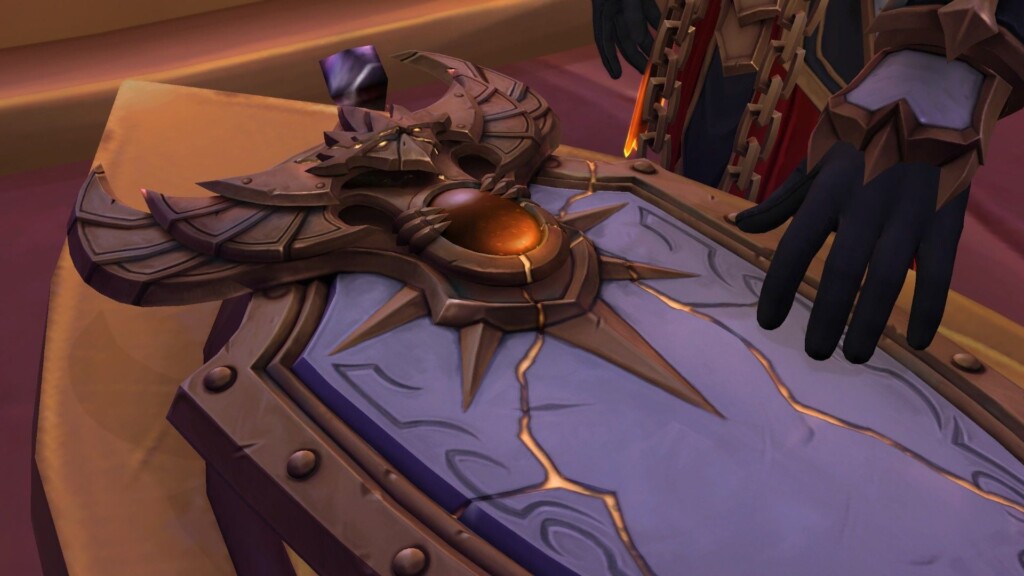
Zul’Aman continues that strength, diving deeper into troll tribes and their loa, reframing long-standing adversaries in a more nuanced light. One questline in particular—focused on two siblings confronting the legacy of an abusive parent revered by their tribe—stood out for its emotional weight. It doesn’t just dwell on the harm caused, but on how that harm fractures family bonds. It landed harder than expected, and those kinds of moments are where Midnight quietly shines.
I’m also including the Haranar Legends weekly activity here, since while it functions as a repeatable system, it doubles as a storytelling device that expands knowledge of Haranir history. It’s easy to rush through without reading the lore fragments, but doing so means missing some of the most compelling worldbuilding in the expansion. Each artifact storyline feels like a slow unfolding of identity and origin, and I’m curious how it will evolve once all pieces are completed. We’re getting close now, and the journey itself has been fascinating.
Prey
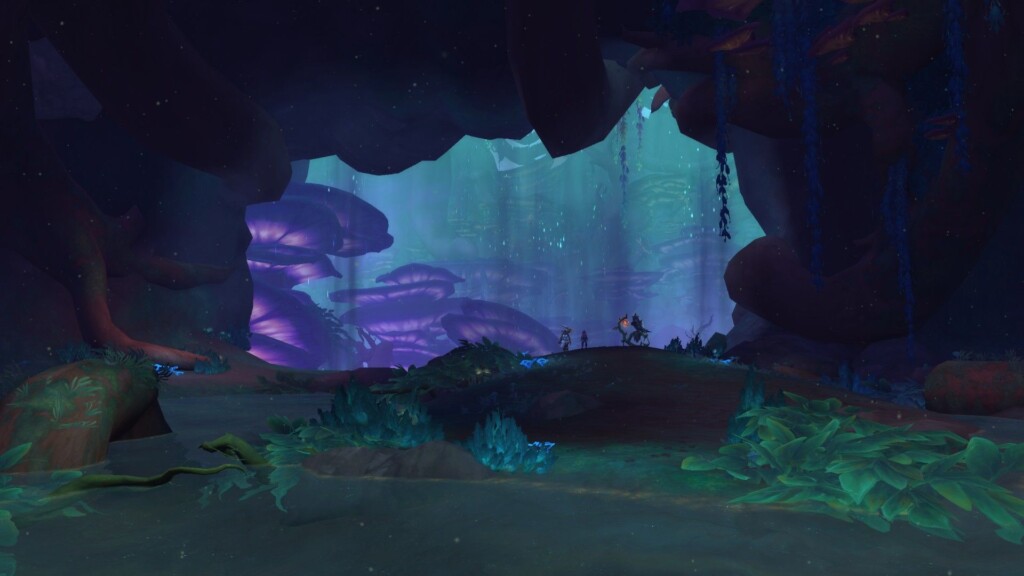
As a brand-new system designed to reshape how the open world feels, Prey immediately caught my attention. I didn’t get to engage with it until after finishing the campaign but before reaching max level, though I’m glad it’s accessible while leveling—especially since the experience rewards are significant. On alts, it’s become a refreshing way to break up the usual leveling rhythm.
At first, I was underwhelmed. The hunts didn’t meaningfully disrupt my normal gameplay, and even on Nightmare difficulty the threat felt minimal. As a tank, I could absorb most encounters without much concern, and even ignoring Astalor’s “Kill now!” prompts rarely led to consequences beyond using a defensive charge. It felt more like background noise than a true hunt.
That perception shifted after talking with guildmates and experimenting on other classes. On Retribution Paladin, the experience became noticeably more dangerous—faster kills, yes, but also far more frequent dips into critical health ranges. Some of that comes down to class familiarity, but even after trying Brewmaster, it became clear there’s a real “tank advantage” in these encounters.
Grouping changes the equation as well. Hard and Nightmare hunts can be completed together, and progress appears to be largely shared, with both players receiving credit and rewards. For anyone struggling, grouping with one or two others makes the system far more manageable.
One mechanic I initially overlooked is the riposte after ambushes. Once a target completes their fallback cast, an orb drifts off and marks a mist-covered area nearby. Entering it reveals the enemy again, allowing you to force them out and gain additional progress. I missed this entirely at first simply because I wasn’t tracking the orb closely enough, but once you know to look for it, it becomes consistent and reliable.
My main frustration with Prey lies in its progression scaling. After reaching rank four, the reward structure drops sharply—from 1000 progress per hunt to just 50 beyond the weekly first four. The steepness of that drop feels jarring and counterintuitive, especially when progression already slows naturally over time. While I understand the intent to prevent burnout, the current curve feels overly aggressive.
Housing
Housing has technically been in players’ hands since December, and with the pre-patch Endeavor system active, it might seem late to revisit it. But given how central it is to Midnight’s identity, it absolutely deserves attention—especially now that the system is fully in motion.
Pre-patch was a bit uneven for me, largely because both of my neighborhoods selected Endeavors I wasn’t particularly interested in. That made the system feel more like obligation than enjoyment at times, though there was still enough neighborhood activity to keep things moving. The ability to travel between neighborhoods and purchase from their vendors turned out to be a huge upside, and I ended up with more coupons than expected without excessive effort.
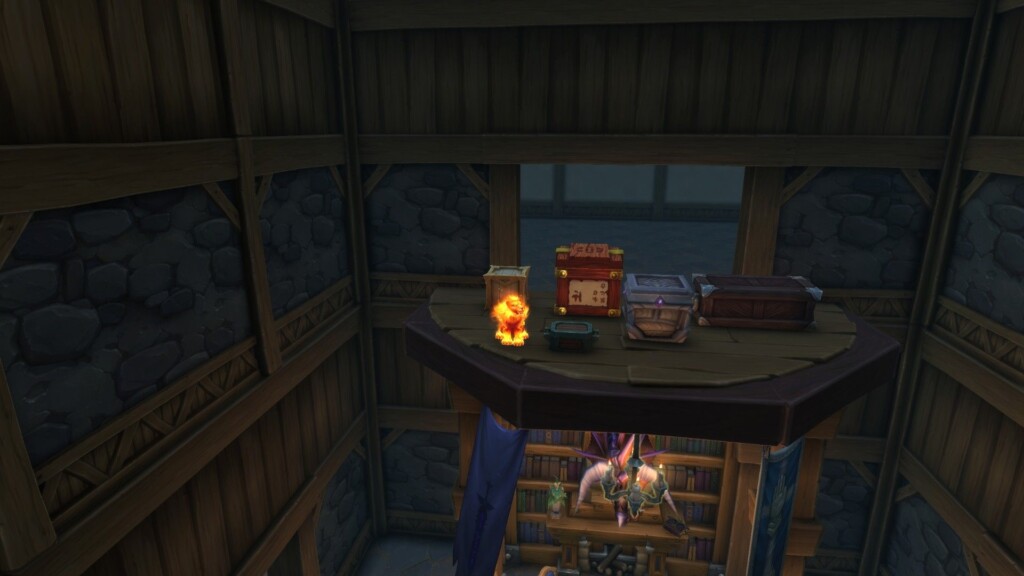
Once Midnight launched, the first Endeavor rotation simplified things dramatically—initially only offering a single Blood Elf option. While it felt limiting at first, it ultimately worked well since everyone was already busy in the new zones. Both neighborhoods completed their tracks in just a couple of days, which was almost startling in how fast it went.
I also discovered I had been passively maxing out gathering-related Endeavor XP long before realizing it, which meant I had to switch active tracking to keep progression flowing. Now I’m sitting on a healthy stockpile of coupons, especially after the cap increase from 500 to 2000, which feels much more comfortable.
Going forward, I had hoped for Endeavors tied more directly to current Midnight factions—particularly Haranir or Amani themes. Not only would that keep content thematically aligned, but it would also deepen engagement with zones I’m still actively enjoying. Instead, this week’s options leaned more toward returning or external themes. My Alliance neighborhood even differs from my Horde one, with Grummels appearing on one side and Mechagnomes on the other, alongside shared Blood Elf and Niffen options.
It’s not that the system is bad—it works well mechanically—but I do find myself wishing it stayed more anchored to current expansion content rather than drifting outward so quickly.
One of the biggest positives of housing is how rewards have been reframed. Questing, achievements, and reputation now feed directly into decoration acquisition, and it changes the entire emotional payoff loop. Instead of gear I’ll never use, I’m earning items I might one day build into something meaningful. Even decorations I don’t currently need feel valuable in a long-term way, which is a refreshing shift in reward design.
Dungeons & Delves
Blizzard has clearly committed to making systems persist across expansions, and the updated Delves content reflects that ambition. Valeera now accompanies players instead of Brann, and while she initially felt more disruptive—frequently shadowstepping out of fights and interrupting flow—she has become more manageable over time. Either I’ve adapted, or she has smoothed out slightly, but the frustration has eased.
Delves themselves still don’t fully resonate with me. They’re fine, mechanically interesting in places, but they don’t hold my attention the way Mythic+ or raiding do. That said, they serve their purpose well as solo progression content, and I appreciate that Blizzard continues refining them rather than abandoning the system.
The Nemesis boss and its Hall of Fame timing raised some questions, however. The roster filled extremely quickly—within a single day—which suggests early access or heavy-time players had a significant advantage. Given the variation in difficulty across specs and classes, a unified Hall of Fame also feels a bit uneven in practice. It’s a good idea, but it needs refinement.
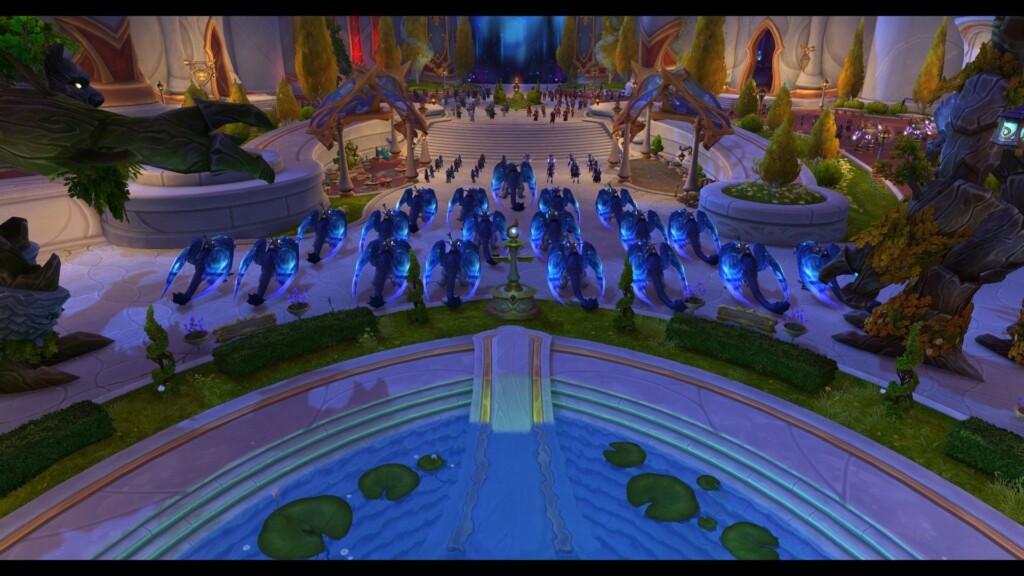
On the gearing side, progression has felt unusually abundant. There are so many sources of gear that choice, rather than scarcity, becomes the main constraint. My main annoyance is the way renown champion gear is tied to Quartermaster quests rather than clear vendor purchases, making it easy to miss entirely.
Crest caps are another sticking point. At 400 for Hero and Mythic and 700 for others, I find myself frequently capped despite not playing at an extreme pace. Even moderately active play pushes against these limits, which feels restrictive—especially when rewards continue dropping after caps are reached. It creates a sense of wasted effort that isn’t particularly satisfying.
Mythic+ this season, however, feels excellent. Reaching 2k in the first week and most portals shortly after felt smooth and achievable. The difficulty curve sits in a comfortable place overall, with a noticeable but fair step between higher key levels. It feels reminiscent of earlier Mythic+ eras, though not quite as punishing.
Some dungeons stand out more than others. Skyreach, surprisingly, is far more enjoyable than expected, with forgiving timers and clear mechanics, while Maisara Caverns simply doesn’t click for me despite lacking any obvious flaws. Lindormi’s Guidance is one of the best additions to the system, easing route learning and reducing the intimidation factor for newer players.
Raids
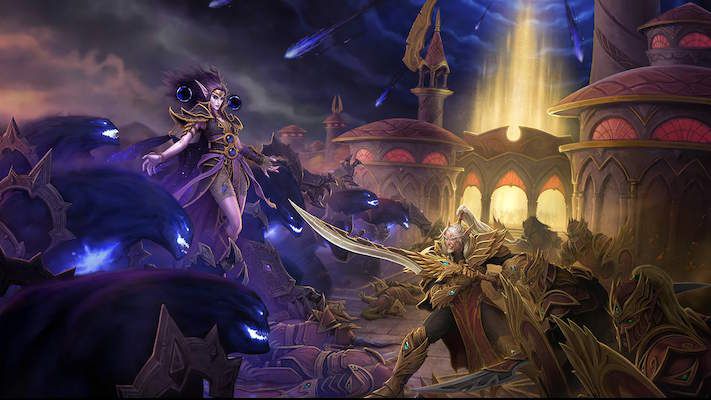
The decision to launch a multi-location raid tier initially gave me pause, but it has worked far better than expected. Dreamrift functions as a compact, almost cinematic entry point, while Voidspire delivers a more traditional multi-boss structure with a noticeably darker tone.
The pacing between locations has been used effectively. The transition after Voidspire, where the consequences of Xal’atath’s actions reshape Quel’Thalas into something far more ominous, is one of the strongest atmospheric shifts I’ve seen in WoW. It’s striking without overstaying its welcome.
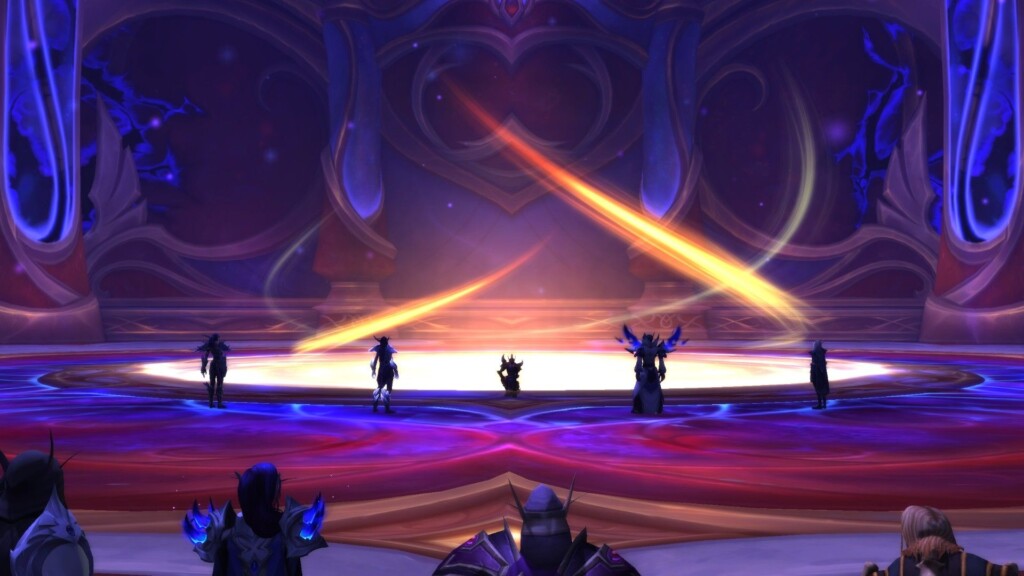
Overall difficulty feels accessible, particularly for more casual raid groups. There’s a sense of clarity in mechanics across encounters, and I haven’t yet encountered a fight that feels unnecessarily frustrating. Heroic tuning on March on Quel’Danas does step up noticeably compared to Normal, but in a way that still feels fair.
One decision I still don’t understand is the delay of Story Mode after raid releases. For players primarily interested in narrative, this creates unnecessary spoilers and friction. If a boss is available in any format, Story Mode should be available alongside it.
Final thoughts tend to be premature this early in an expansion, but Midnight already feels unusually complete. The amount of content, combined with the freedom to engage with it at your own pace, creates a rare sense of flexibility for an MMO expansion. It’s not flawless—there are rough edges in systems like Prey, crests, and Delves—but the overall experience is remarkably strong.
At this point, Midnight feels like one of the strongest expansions World of Warcraft has delivered so far. There’s a surprising density of things to do, and just as importantly, space to ignore what you don’t enjoy without feeling punished for it. That balance alone makes it stand out.